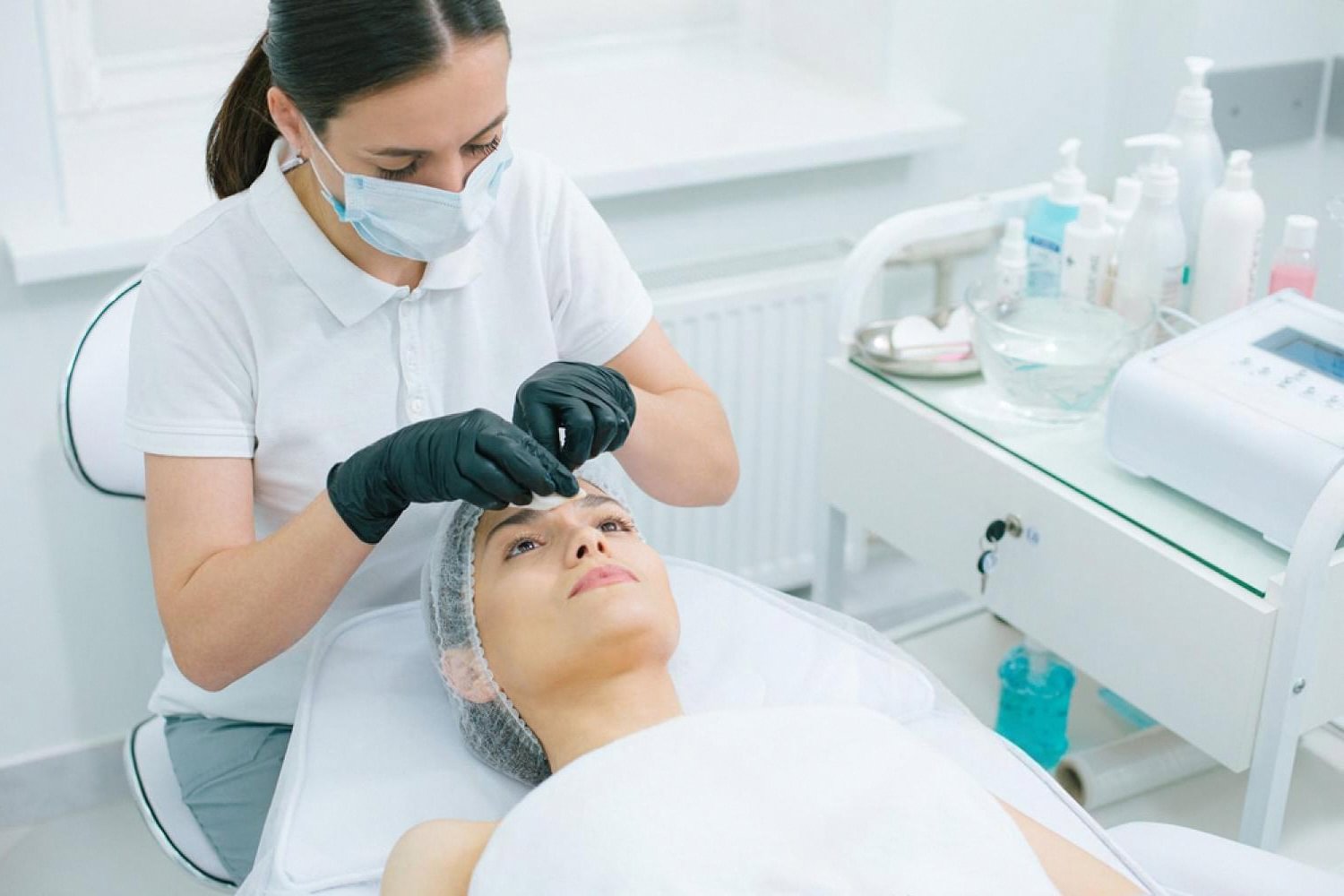
Preventive skin health
How often should you actually see a dermatologist?
Short answer: most healthy adults in the UAE benefit from one full skin check every year, and more often if you have a specific concern like acne, melasma, or a family history of skin cancer. The harsh sun, long summers, and heavy air-conditioning we live with all put extra stress on skin, so a yearly visit is a small habit that pays off.
Five quick wins from regular dermatologist visits
- Early spotting of skin cancer. A trained eye can flag a suspicious mole years before you would notice it yourself.
- Better control of chronic conditions. Acne, eczema, rosacea and psoriasis all respond faster when treated early.
- A skincare routine that actually fits your skin. No more guessing between 20 serums on the shelf.
- Protection against UAE sun damage. Pigmentation, sun spots and premature ageing are all easier to prevent than to reverse.
- Peace of mind. Knowing a professional has checked your skin removes a lot of low-level worry.
The yearly full-body skin check
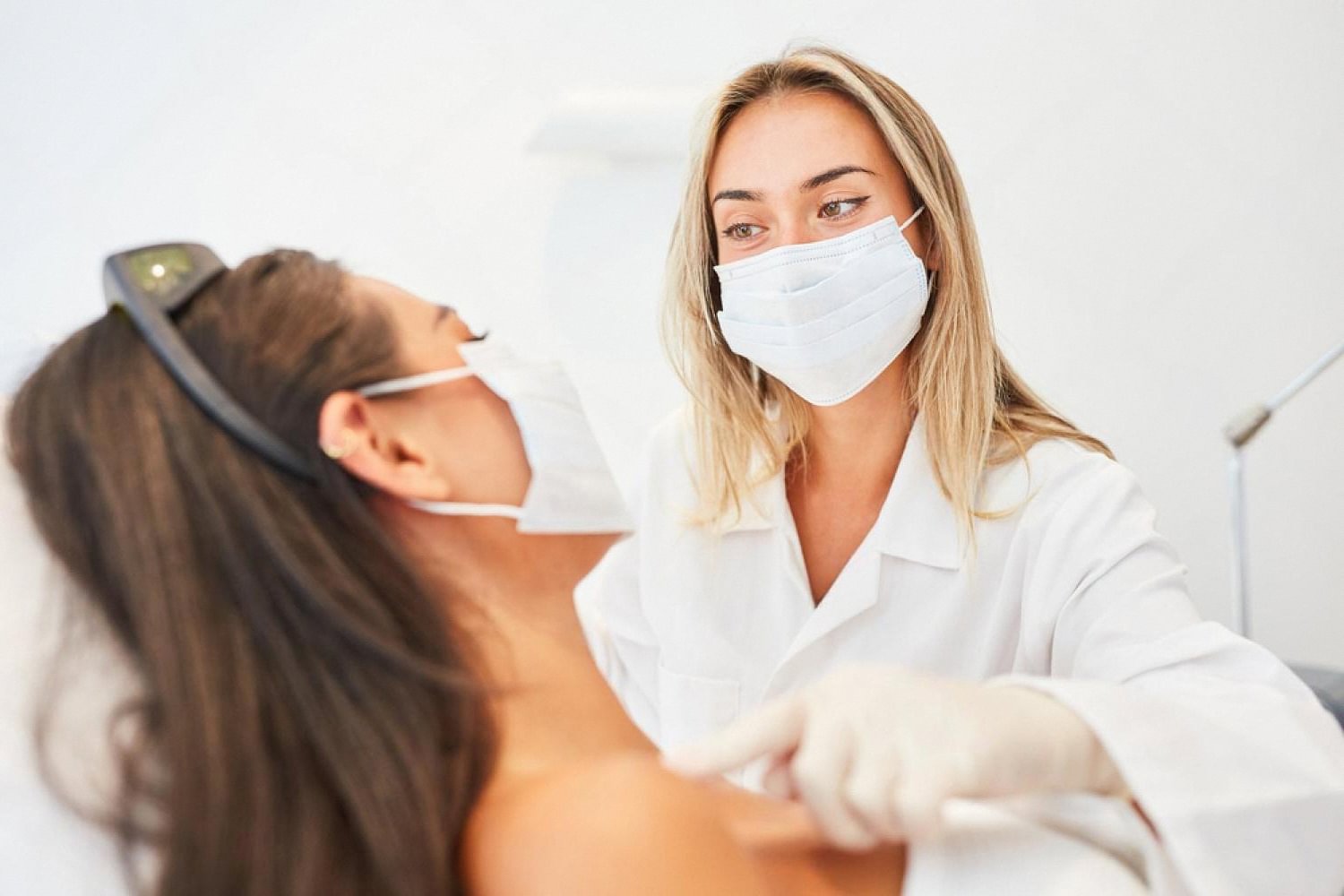
If you take only one thing from this article, make it this: book a full-body skin check once a year. The dermatologist looks at your moles, scalp, back, hands and feet, and notes anything that has changed since last time. It usually takes 15 to 20 minutes and does not hurt.
This matters more in the Gulf than in cooler climates. UV levels in the UAE stay high for most of the year, and even people who spend most of their day indoors pick up sun exposure through car windows and short outdoor walks. According to the World Health Organizationthe vast majority of skin cancers are linked to UV exposure, which makes yearly screening a very low-cost habit for a very real benefit.
When once a year is not enough
Some situations call for more frequent visits. If you are dealing with active acne, your doctor will usually want to see you every 4 to 8 weeks until it settles, then space visits out. The same is true for melasma and stubborn pigmentation, which are common in the UAE because of sun plus hormonal factors, and often need a few months of guided treatment.
You should also visit sooner rather than later if you have more than 50 moles, a personal or family history of skin cancer, a mole that has changed shape or colour, a rash that will not go away after two weeks, or hair loss that seems sudden. In these cases a good dermatology clinic will set a schedule that matches your risk instead of a generic one.
What actually happens at a preventive visit
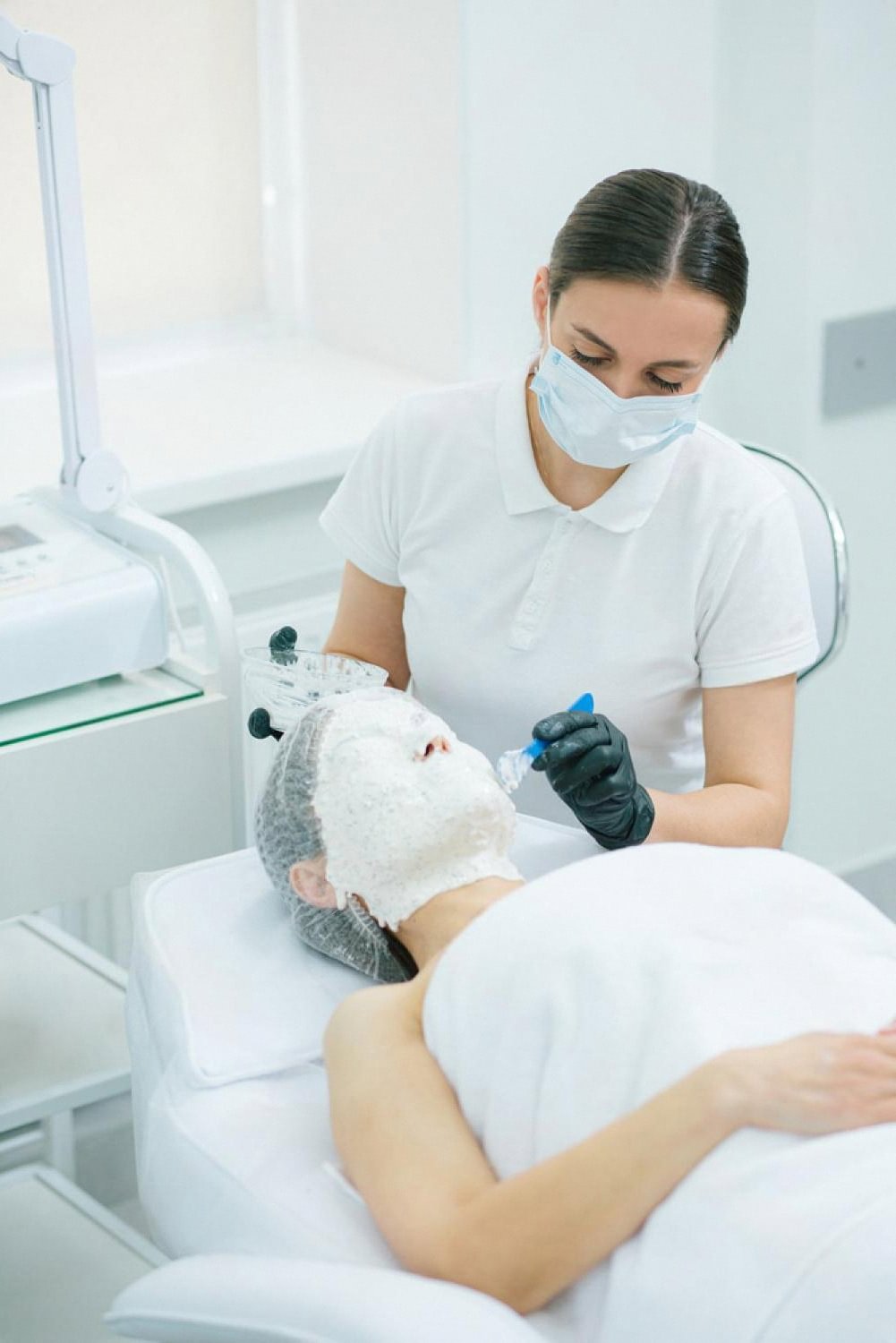
A first-time visit is mostly a conversation. The dermatologist asks about your skin history, sun habits, current products, medications, and any concerns you want to fix. Then comes the skin exam, sometimes with a small handheld device called a dermatoscope that lets them see moles in more detail.
If everything looks fine, you leave with a simple routine and a follow-up date. If something needs a closer look, the doctor may do a quick biopsy on the spot or book a short procedure. Nothing is scary, and nothing is done without your consent.
Building a simple UAE-friendly routine between visits
Between appointments, the two habits that matter most are sun protection and gentle daily care. A broad-spectrum sunscreen of SPF 30 or higher, applied every morning and reapplied if you are outside for long, is the single biggest thing you can do for your skin here. Keep it in your bag, in the car, and by the door so you actually use it.
For daily care, less is more. A mild cleanser, a moisturiser that suits your skin type, and one active ingredient at night (usually retinol or vitamin C, depending on what your doctor suggests) is enough for most people. Save the ten-step routines for special occasions, not Tuesday nights.
Do not wait for pain. Skin problems rarely hurt in the early stages. A mole that is changing, a patch that keeps peeling, or a spot that will not heal are all reasons to book a visit this week, not next year. Early is cheaper, faster and almost always easier to treat.
Frequently asked questions
How often should a healthy adult in the UAE see a dermatologist?
Once a year is a sensible baseline for most healthy adults. The visit is quick, covers a full-body skin check, and gives you a chance to update your routine for the season.
If you have specific concerns like acne, melasma, or a history of skin cancer in the family, your dermatologist may suggest visits every few months instead.
At what age should children start seeing a dermatologist?
There is no fixed age. Children only need a dermatologist if they have a specific issue such as eczema, persistent rashes, birthmarks that are changing, or severe teenage acne.
For teens dealing with acne, an early visit can prevent long-term scarring and save years of trial-and-error with over-the-counter products.
Is a dermatologist visit worth it if my skin looks fine?
Yes. Many skin issues, including early skin cancers and sun damage under the surface, are not visible to the untrained eye. A yearly check is a preventive habit, similar to a dental cleaning, and takes about 20 minutes.
Does insurance in the UAE cover dermatology visits?
It depends on your plan. Most comprehensive health insurance policies in the UAE cover medical dermatology visits (acne, eczema, mole checks) but not purely cosmetic treatments.
Call your insurer or the clinic reception before booking to confirm what is included and whether you need a referral.
How do I know if a mole is something to worry about?
A common guide is the ABCDE rule: Asymmetry, Border irregularity, Colour changes, Diameter larger than 6 mm, and Evolution over time. If a mole ticks any of these boxes, book a visit soon.
You do not need to diagnose it yourself. If in doubt, let a dermatologist look at it.
Can I go straight to a dermatologist or do I need a GP referral?
In the UAE you can usually book a dermatologist directly at private clinics without a GP referral. Some insurance plans, however, require a referral before they will pay, so check your policy first.
How should I prepare for my first dermatology appointment?
Come with clean skin, no makeup if possible, and a short list of the products you use every day. Bring photos of any spots or rashes that come and go, and note down any medications or supplements you take.
This helps the doctor give you real advice instead of guesses.

I specialize in administrative technologies and am responsible for training other employees to use advanced systems and applications